How to make classic steak tartare burgers at home?

There’s something magical about combining two iconic dishes into one irresistible creation. The steak tartare burger brings together the refined elegance of French bistro cuisine with the satisfying comfort of an American classic. This fusion isn’t just trendy, it’s a genuine celebration of bold flavors and quality ingredients that transforms a simple home meal into a restaurant-worthy experience.
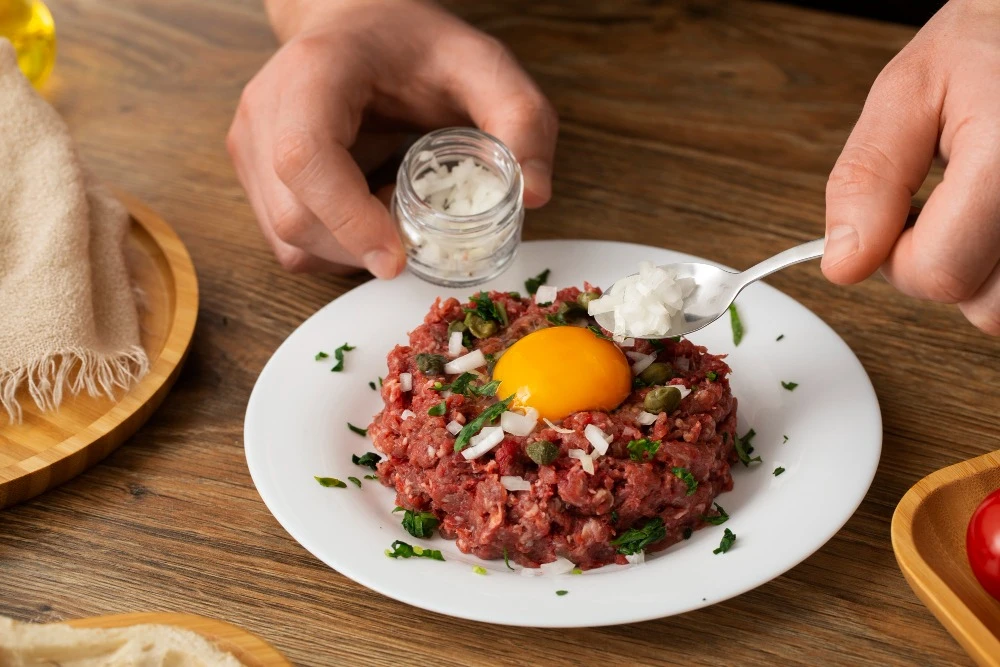
Understanding the steak tartare burger concept
The traditional steak tartare burger takes inspiration from the classic French dish of finely chopped raw beef mixed with capers, shallots, and bright seasonings, but transforms it into a cooked patty that maintains those signature flavors. Unlike eating actual raw tartare, these burgers are grilled or pan-fried to your preferred doneness while preserving the distinctive taste profile that makes steak tartare so special.
This approach gives you the best of both worlds: the complex, sophisticated flavors of steak tartare combined with the familiar comfort and food safety of a properly cooked burger. The key is incorporating those classic tartare ingredients directly into the ground meat before cooking.
Selecting and preparing quality beef
The foundation of any great burger starts with the right meat. For steak tartare burgers, you want ground beef with a fat content around 80/20 or 85/15. The fat is essential for keeping your patties juicy and flavorful. Some recipes call for grinding your own meat from chuck, sirloin, or tenderloin, which gives you complete control over the texture and quality.
If you’re grinding meat at home, cut the beef into small cubes and chill them in the freezer for about 15-20 minutes before processing. This firms up the meat and helps achieve a cleaner grind without smearing the fat. Whether using a meat grinder or food processor, work in small batches and avoid over-processing – you want a coarse grind, not a paste.
The beauty of making these burgers at home is complete control over your ingredients. Quality matters here, so source your beef from a trusted butcher when possible. Fresh, properly handled meat makes all the difference in both flavor and safety.
Essential tartare burger ingredients
For 4 burgers, you’ll need:
- 500-600g ground beef (80/20 or 85/15)
- 2 egg yolks
- 2 tablespoons finely minced shallots
- 1 tablespoon capers, finely chopped
- 2 tablespoons cornichons (gherkins), finely diced
- 1 tablespoon Dijon mustard
- 1 tablespoon Worcestershire sauce
- 2 tablespoons fresh parsley, finely chopped
- 1 teaspoon salt
- ½ teaspoon freshly ground black pepper
- 4 quality burger buns
- Optional: arugula, extra parmesan shavings, additional condiments
The precision of your knife work matters significantly when preparing the shallots, capers, and cornichons. These ingredients need to be very finely minced to distribute evenly throughout the meat. Maintaining sharp, quality kitchen knives makes this preparation work much easier and safer, allowing you to achieve professional-level results with ingredients that require fine, consistent cuts.
Mixing and forming the perfect patties
Here’s where many home cooks go wrong: overworking the meat. When you combine your ground beef with the egg yolks, shallots, capers, cornichons, mustard, Worcestershire sauce, parsley, salt, and pepper, use a gentle touch. Mix just until the ingredients are evenly distributed throughout the meat.
Overmixing develops the proteins too much, resulting in tough, dense burgers rather than tender, juicy ones. Use your hands and work the mixture gently, spreading your fingers apart as you toss the ingredients together. This technique keeps the meat light and prevents compression.
Divide your mixture into four equal portions, roughly 150g each. Shape them into patties about 2 cm thick, making them slightly wider than your buns since they’ll shrink during cooking. Use wet hands to prevent sticking.
Here’s an important tip: create a small indent in the center of each patty with your thumb. Burgers tend to puff up in the middle when cooking, and this dimple helps them cook more evenly, preventing that dome shape that makes toppings slide off.
Cooking techniques for optimal results
You have two excellent options for cooking these burgers: a hot grill or a cast-iron skillet on the stovetop. Both methods work beautifully, though they produce slightly different results.
For grilling: Preheat your grill to medium-high heat. Oil the grates lightly to prevent sticking. Cook the patties for about 3-4 minutes per side for medium-rare, 4-5 minutes for medium. Resist the temptation to press down on the burgers – that squeezes out all the flavorful juices.
For stovetop cooking: Heat a cast-iron skillet over high heat with a small amount of oil. The pan should be very hot before adding the patties. Cook for 3-4 minutes on the first side without moving them, allowing a nice crust to develop. Flip once, and cook for another 3-4 minutes to your desired doneness.
The internal temperature should reach 60°C for medium-rare, 65°C for medium, or 70°C for well-done. Let the burgers rest for 2-3 minutes after cooking – this allows the juices to redistribute throughout the meat.
Building and serving your creation
While your patties rest, lightly toast your burger buns. You can do this on the grill, in a dry pan, or under the broiler. A toasted bun provides structure and won’t get soggy from the burger juices.
Classic steak tartare burgers are often topped simply to let the complex flavors of the patty shine through. Fresh arugula adds a peppery bite that complements the richness of the beef beautifully. If you want cheese, a mild gruyere or provolone works well without overwhelming the other flavors.
Consider serving with a light aioli or a simple mixture of mayonnaise and Dijon mustard. Some people enjoy adding crispy fried shallots or onions for textural contrast. A simple side of hand-cut fries or a fresh green salad rounds out the meal perfectly.
Storage and food safety considerations
If you’re preparing the meat mixture ahead of time, you can refrigerate the formed patties for up to 24 hours before cooking. Place them on a plate, cover tightly with plastic wrap, and ensure your refrigerator is at the proper temperature (below 4°C).
Never store raw patties next to ready-to-eat foods in your refrigerator. Always wash your hands, cutting boards, and utensils thoroughly after handling raw meat. If you have leftover cooked burgers, refrigerate them promptly and consume within 2-3 days.
Variations worth trying
Once you’ve mastered the classic version, experimenting with variations can be fun. Some cooks add a small amount of anchovy paste for extra umami depth. Others incorporate finely grated fresh horseradish for a spicy kick.
For a more upscale presentation, you might top the burgers with a small amount of truffle oil or serve them with a red wine reduction sauce. Some restaurants serve steak tartare burgers with a raw egg yolk on top, though this is best reserved for establishments with rigorous food safety standards.
The key is maintaining the spirit of the dish – those bright, tangy, complex flavors that make steak tartare special – while creating something that’s accessible, safe, and absolutely delicious for home cooking.
Making steak tartare burgers at home transforms an ordinary dinner into something memorable. With quality ingredients, proper technique, and attention to detail, you’ll create burgers that rival anything you’d find in a restaurant, all from the comfort of your own kitchen.


